
Published 29 January 2026
Effective 6 Products Used in Hyperpigmentation Care
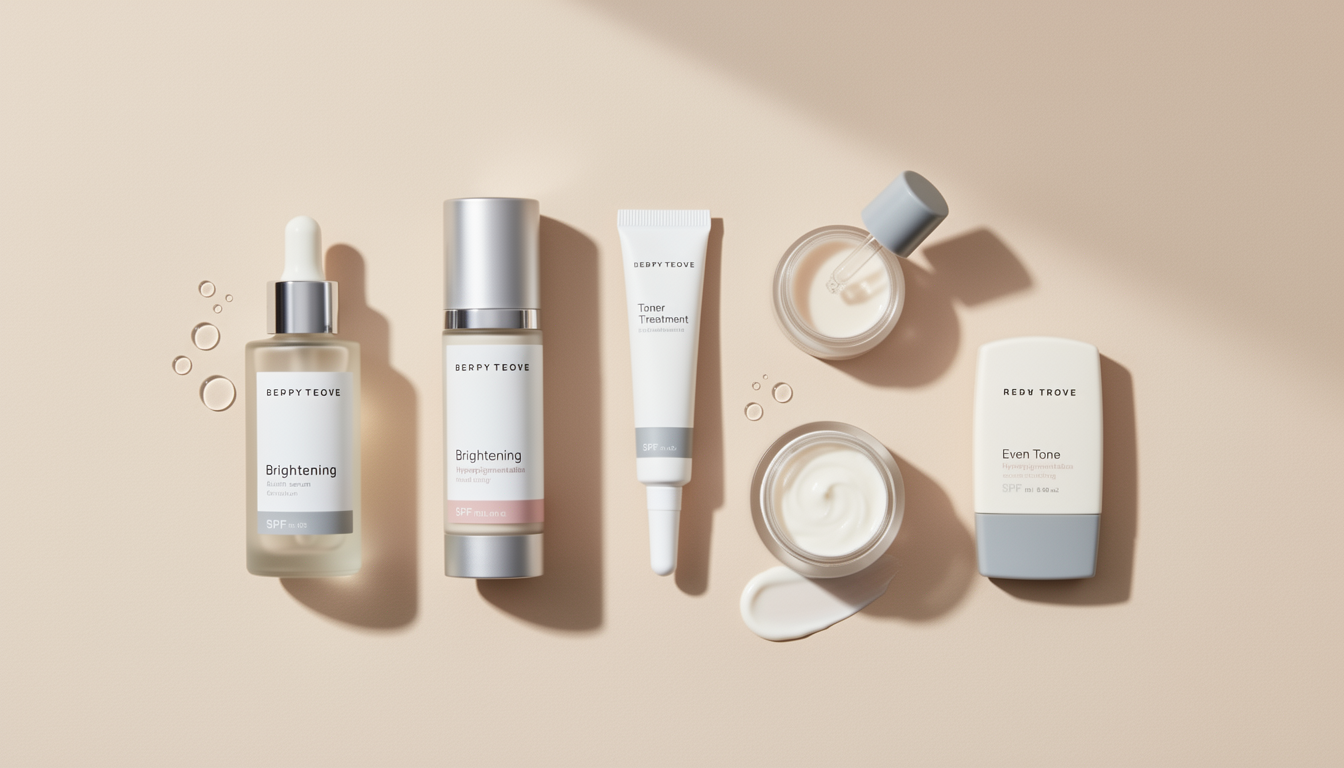
Hyperpigmentation shows up as dark spots and uneven patches and commonly follows sun exposure, inflammation, hormonal shifts, or acne. Clearing these marks usually requires ingredients that target melanin production and a consistent routine. This evidence-informed list walks through six notable products, outlining what they do, which ingredients matter, and how they can help the skin look more uniform and luminous.
1. EMUAIDMAX First Aid Ointment
Many people reach for EMUAIDMAX First Aid Ointment because it’s marketed to address a wide range of skin problems, and users often report improvements in skin discoloration. This maximum-strength ointment aims to ease stubborn skin issues quickly, reducing pain and inflammation while supporting the skin’s repair processes from the moment it’s applied.
EMUAIDMAX combines several ingredients, with an active component listed as 10x, 20x, 30x HPUS Argentum Metallicum (Colloidal Silver), noted for broad-spectrum anti-infective effects. Its formula also includes Emu Oil, Bacillus Ferment, Tea Tree Oil (at 10 times the concentration of regular Emuaid), and Vitamin E (50 times more than the regular formula), plus Ceramide 3, Phytosphingosine, Allantoin, and Squalane. These ingredients are intended to bolster the skin barrier, lock in moisture, and soothe irritation, making the ointment suitable for sensitive skin in many cases. While numerous customer accounts praise EMUAIDMAX for helping with conditions like cellulitis, yeast infections, eczema, psoriasis, and nail fungus, some independent reviewers categorize EMUAID as a homeopathic brand and question the clinical support for certain claims; consulting a physician for specific skin issues is advisable.
2. Hydroquinone-based Treatments
Dermatologists commonly regard hydroquinone as the topical “gold standard” for fading hyperpigmentation such as melasma and post-inflammatory hyperpigmentation (PIH). It inhibits tyrosinase, the enzyme that helps make melanin, which reduces the development of dark spots. Over-the-counter and prescription options typically come in 2–4% concentrations and can produce noticeable lightening of pigmented areas.
Hydroquinone is powerful but needs careful handling, often used in short courses (about 2–3 months) followed by a “hydroquinone holiday” to lower the risk of side effects like exogenous ochronosis, a rare permanent discoloration. It’s frequently combined with other agents — for example, the Kligman formula pairs hydroquinone with a retinoid and a corticosteroid for improved results. Because of its strength and possible risks, hydroquinone is best used under a doctor or dermatologist’s supervision.
3. Vitamin C Serums
L-ascorbic acid (Vitamin C) is a potent antioxidant widely recommended to brighten skin and fade dark spots. It neutralizes free radicals, calms inflammation, and can inhibit tyrosinase, contributing to a more even, radiant complexion. Products such as Hyper Skin Hyper Even Vitamin C Serum and Glow Recipe Vitamin C Dark Spot Serum are popular for their brightening and hydrating effects.
Many Vitamin C serums are paired with ingredients like hyaluronic acid for moisture or ferulic acid to stabilize and boost antioxidant action. With regular use, a high-quality Vitamin C serum can help lighten existing hyperpigmentation and reduce the chance of new spots forming, which is why these serums are common daily staples and generally well tolerated.
4. La Roche-Posay MelaB3 Serum
The La Roche-Posay MelaB3 Serum contains Melasyl, a patented ingredient created to target dark spots and hyperpigmentation. It’s known for being gentle while effectively reducing stubborn discoloration. Clinical studies report improvements in sun spots and post-acne marks with this serum.
Melasyl works by interrupting excess melanin before it becomes visible as pigment. Users often praise the serum’s texture and noticeable results, making it a solid option for those battling persistent dark spots. It’s commonly used alongside a complementary face wash to strengthen overall results.
5. Topicals Faded Serum for Dark Spots & Discoloration
Topicals Faded Serum is formulated specifically to tackle dark spots and uneven tone and has earned a strong reputation for its targeted ingredient blend. The product aims to improve both skin tone and texture and addresses pigmentation from acne and sun damage.
Its formulation typically includes tranexamic acid, niacinamide, azelaic acid, kojic acid, and licorice root extract — a set of actives that can inhibit melanin production, reduce inflammation, and encourage cell turnover for a more even complexion. Because the serum is potent, people with sensitive skin may want to introduce it slowly.
6. Azelaic Acid Treatments
Azelaic acid is a flexible, well-tolerated option for hyperpigmentation, especially post-inflammatory hyperpigmentation from acne, thanks to its anti-inflammatory and antibacterial properties. It inhibits tyrosinase, which helps lower melanin production in affected areas and gradually fades dark spots.
Azelaic acid is available in various strengths, including prescription products like Finacea 15% gel and Skinoren 20% cream. It’s often recommended because it reduces discoloration without significantly lightening surrounding healthy skin. Most people experience only mild, temporary side effects such as redness, irritation, or dryness, so it’s a good choice for sensitive or acne-prone skin.
Key Takeaways
- Effective hyperpigmentation care usually combines antioxidants, melanin inhibitors, and exfoliants for the best results.
- Ingredients such as hydroquinone, vitamin C, azelaic acid, and tranexamic acid are commonly recommended by dermatologists for their track records.
- Regular application and consistent sunscreen use are essential to achieve and keep improvements.
- Introduce strong products slowly and consult a dermatologist for guidance, especially with treatments like hydroquinone or if your skin is sensitive.
FAQ
What causes hyperpigmentation?
Hyperpigmentation happens when the skin produces extra melanin. Typical triggers include sun exposure (leading to sunspots and melasma), inflammation from acne or injury, and hormonal changes such as those during pregnancy or with certain medications.
How long does it take to see results from hyperpigmentation treatments?
Results vary based on how severe the discoloration is, which product you use, and your skin’s response. You can often see improvement in a few weeks, but clearer change may take several months of steady use. Prescription treatments tend to act faster, while over-the-counter options usually require more time. Ongoing use plus strict sun protection is important to keep gains and prevent new spots.
Picking the right products can make a noticeable difference in skin tone and texture. Understanding how key ingredients work lets you build a targeted routine. Be patient and consistent, protect your skin from the sun, and consult a dermatologist for personalized recommendations and to choose the best approach for your skin.